construction highlights
exterior
structural walls
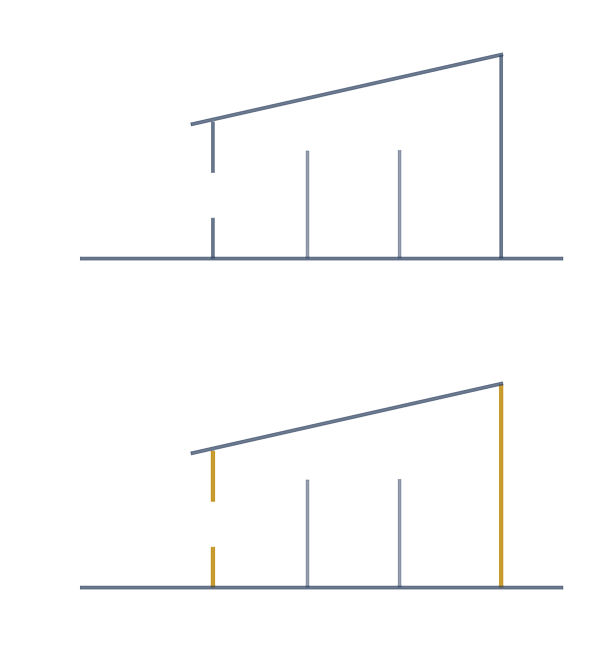
Exterior structural walls are one of the main components of a self-built dwelling. They bear the roof elements and work to protect the inside spaces from the weather.
They are commonly made of a stronger and thicker material, such as ceramic brick and concrete block.
exterior walls
common materials
ceramic bricks


vila betânia
fortaleza - brazil
alternative materials
concrete blocks
saving on:
-finish materials
-amount of mortar
-steel rods
advantages:
-no need for finishes other than paint
-better sound proofing
-plumbing and electrical can pass though the bricks avoiding the need the extra work with breaking and patching the walls
-long durability
-harder material (not easy to damage)

concrete blocks

vila matilde house | terra e tuma arquitetos associados
são paulo - brazil
no need for finishes
eco bricks
saving on:
-finish materials
-amount of mortar
-steel rods
advantages:
-no need for finishes other than paint
-long durability
-plumbing and electrical can pass though the bricks avoiding the need the extra work with breaking and patching the walls
- can be used as a hollow structural element bringing natural light and ventilation to inside spaces
eco bricks


biotrends factory
eusébio - brazil
no need for finishes
exterior wall finish
If exterior walls made of ceramic brick, they need a finish.
-stucco+ paint is the cheapest, however requires more maintenance after the rainy season.
- ceramic or porcelain tiles are more durable and protect against moisture, but cost more and require more material for the application of such finish.

ceramic tiles
stucco
ceramic tiles
conjunto santa edwiges
fortaleza - brazil

no finish
poço da draga
fortaleza - brazil
slab
x
roof
roof
slab
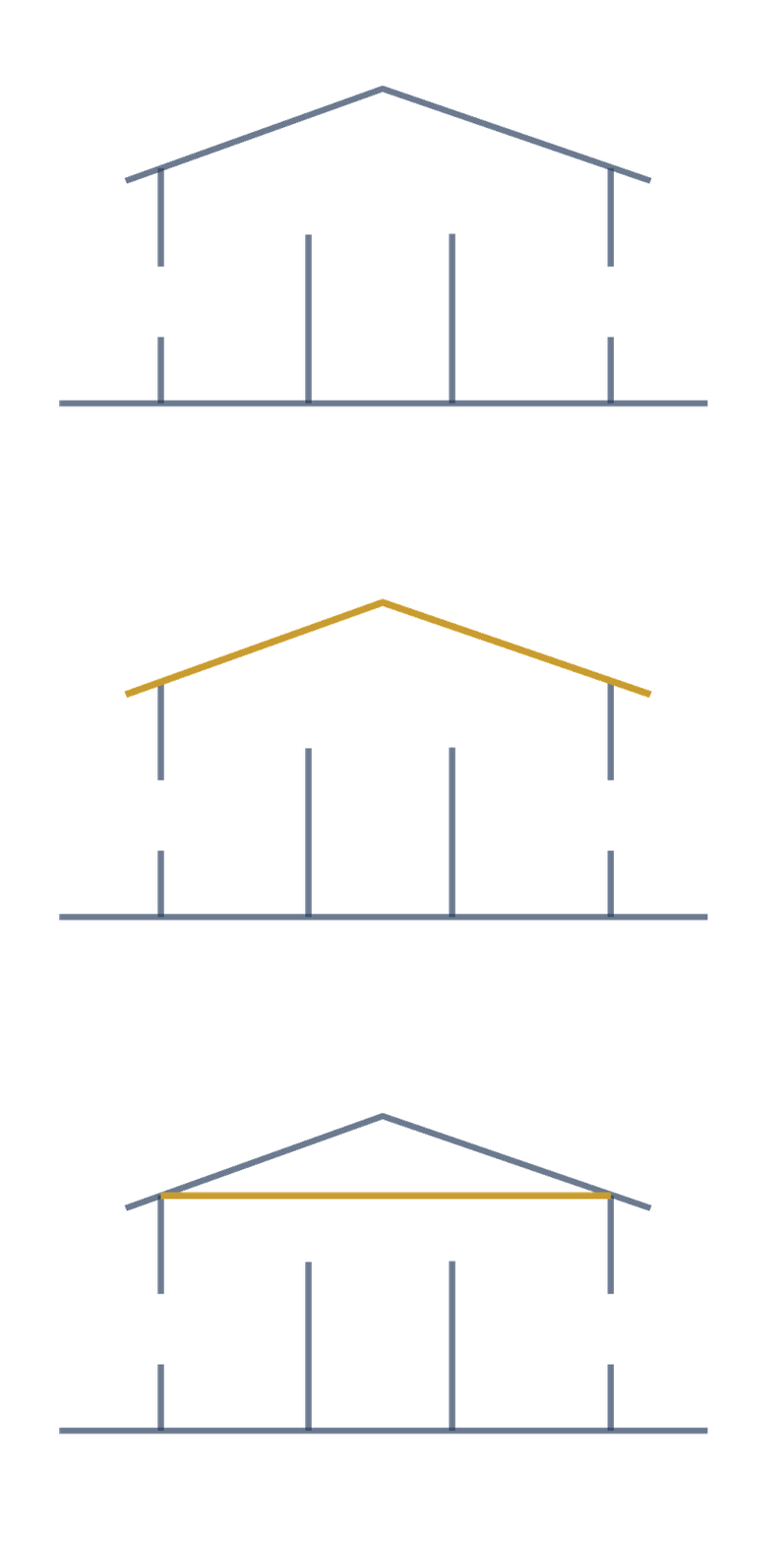
The roof is one of the most important elements of a self-built dwelling. It can be left as a plain roof for a while, or forever. However, a slab is an element that can be built anticipating a future second level, if enough money is available. The slab should be done by an expert (mason), to avoid safety issues.
Consider putting a roof above the slab anyway to avoid the need for waterproofing it every now and then. A slab can also address health issues, since a plain roof can accumulate residues that can cause health problems to the dwellers.
slab

vila matilde house | terra e tuma arquitetos associados
são paulo - brazil
slab
roof

roof sloping to the street
common materials


metal/asbestos sheet
ceramic tiles
planalto universo
fortaleza - brazil
alternative materials
metal roof with insulation
saving on:
-roof wood structural material
advantages:
-lighter = less masonry to bear the roof
-exterior walls can be lower = using less material (allows lower pitch)
-no need for drop ceiling
-thermal comfort
-easy to install


polycarbonate transparent roof tile
advantages:
-bring natural light to spaces without exterior openings

fenestration
front
back
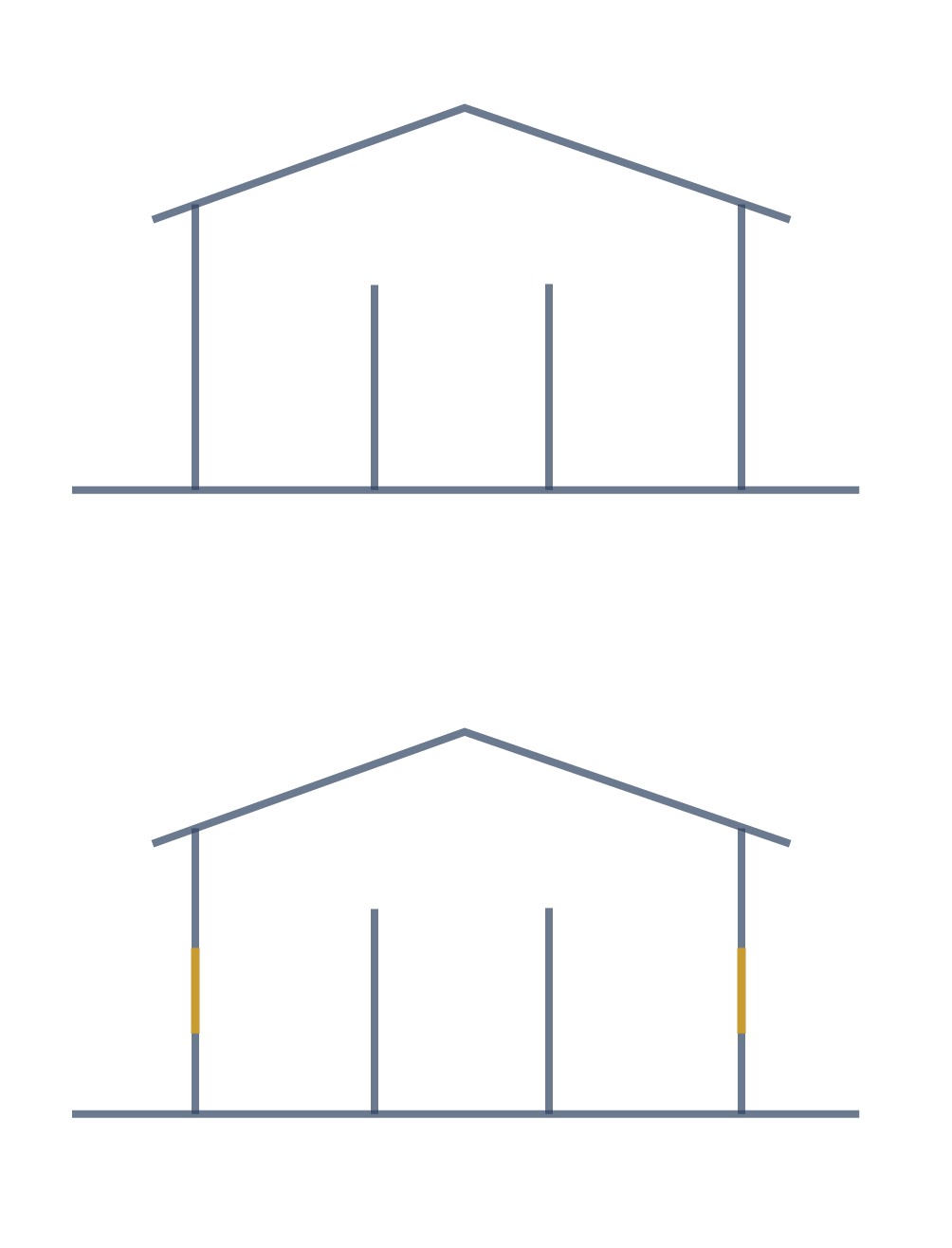
Consider adding exterior openings on the front and in the back of the dwelling, if possible. That can allow some lighting and natural ventilation to enter some of the inside spaces.
If a dwelling is located in a corner lot, take advantage of having the possibility of adding extra opening to all spaces.
common materials

exterior openings
wood
glass+aluminum
cast-iron
wood
glass + aluminum
cast-iron
poço da draga
fortaleza - brazil
interior
short walls
short
wall
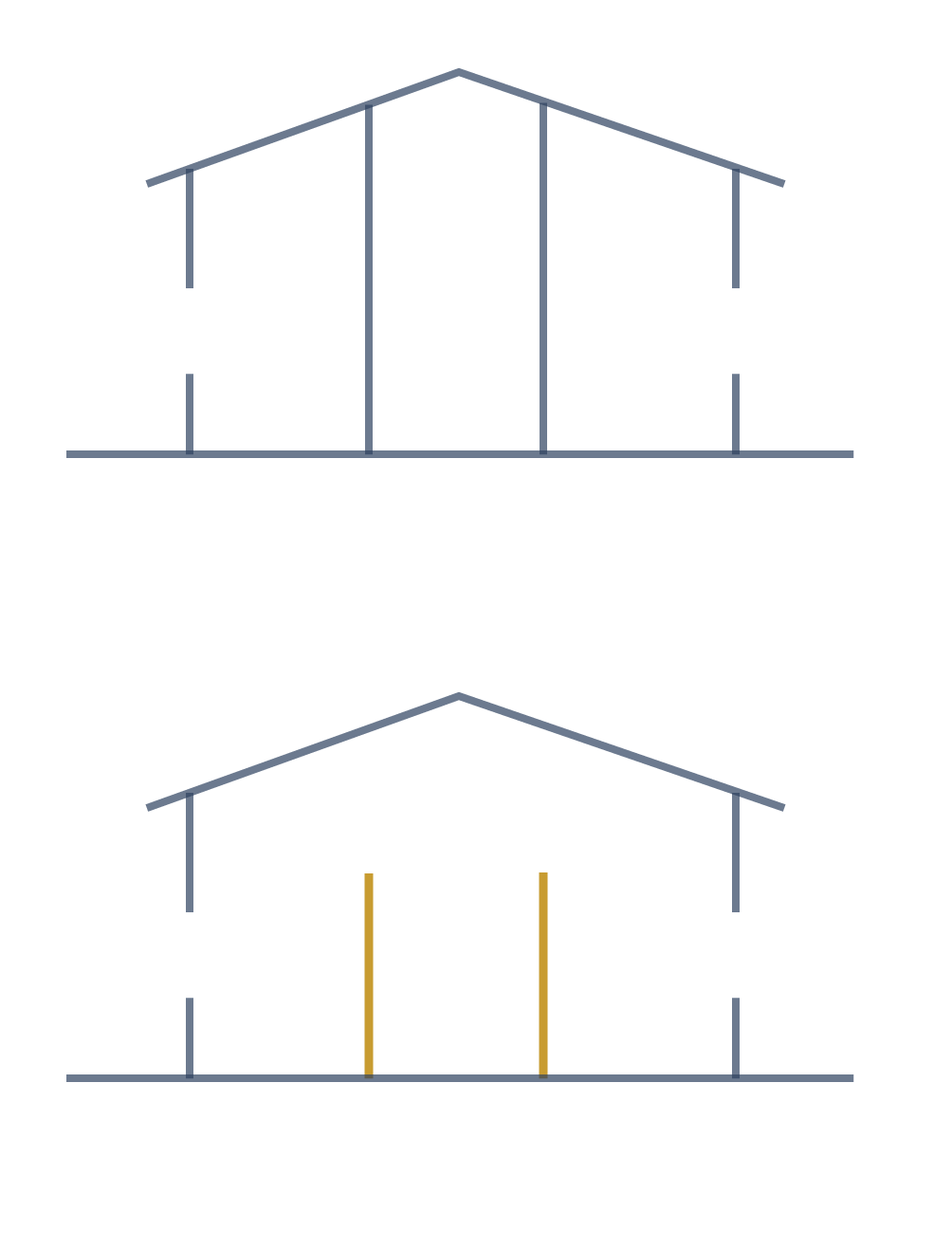
Interior walls can be made of thinner and non-bearing materials, such as plaster blocks. The wall material will depend on whether or not the wall is a bearing structural element.
Non-bearing walls can be shorter (not reaching the roof/slab line). Interior short walls can be strategically used to enhance natural ventilation and illumination in rooms without exterior openings.
common materials
ceramic bricks

planalto universo
fortaleza - brazil

alternative material
plaster blocks
plaster blocks
saving on:
-finish materials
-manpower
-construction time
advantages:
-easy to install
-easy to finish

no finish
stucco
ceramic tiles for wet areas

planalto universo
fortaleza - brazil
no finish
stucco
ceramic tiles
interior wall finish
no finish
vila matilde house | terra e tuma arquitetos associados
são paulo - brazil
flooring
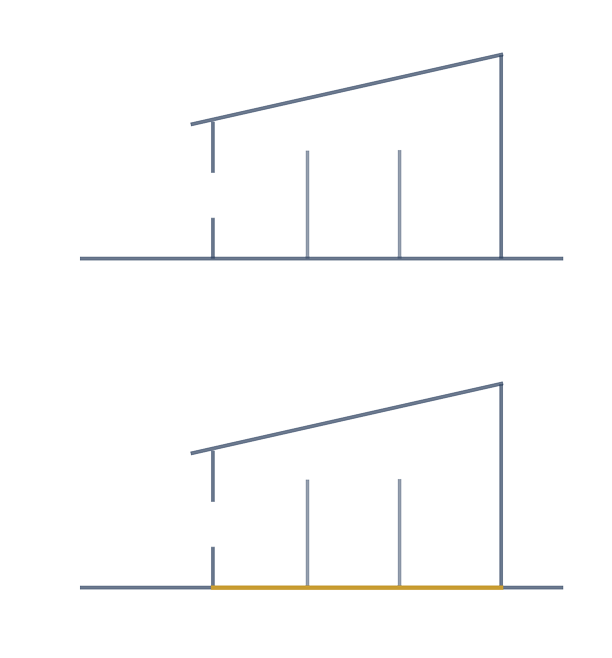
flooring
If the money is short, and there are other improvements that are more important to be done in the house, the flooring can be left as polish concrete.
Ceramic and porcelain tiles are usually the most common finish, however this type of materials require more money and labor.
common material
ceramic/porcelain tiles
planalto universo
fortaleza - brazil

alternative material
polished concrete
polished concrete
saving on:
-finish materials
-manpower
-construction time
advantages:
-cheaper
-easy to finish
-easy to maintain
-long durability
vila matilde house | terra e tuma arquitetos associados
são paulo - brazil