design highlights
natural lighting
transparent polycarbonate roof tile
short walls
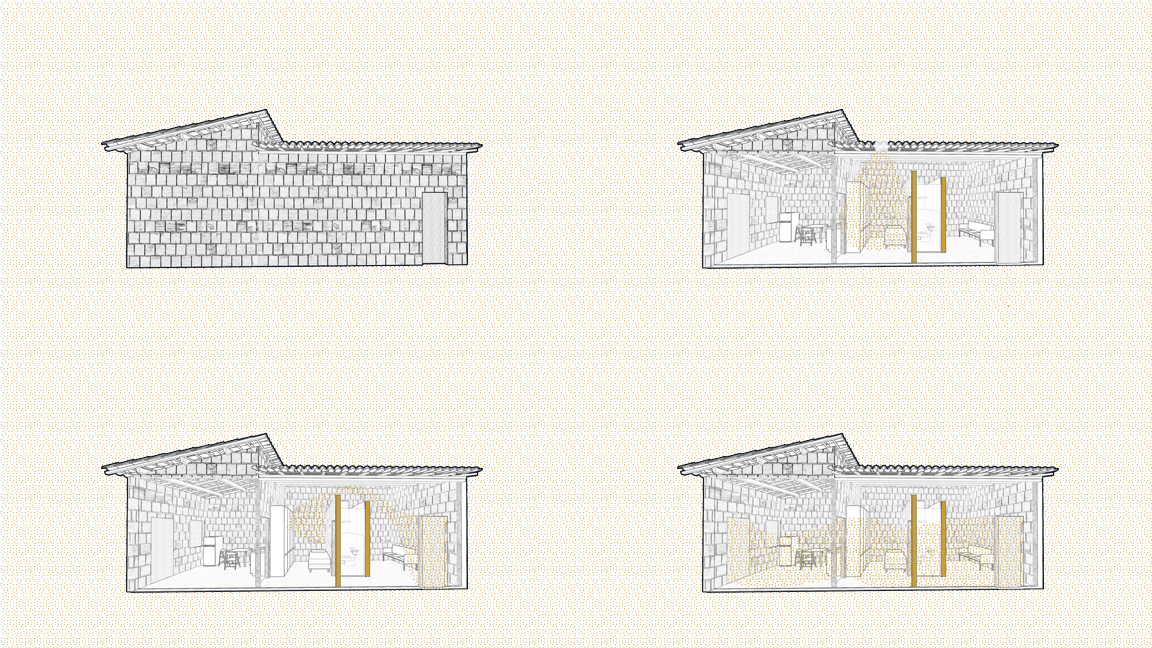
Natural lighting is essential in a low-income household, so the electricity bill would not get too expensive, and there is money for other essential things, like food, water, gas (for cooking), etc. The dwellers have to be creative regarding providing natural lighting to rooms without exterior openings. One strategy is to use transparent polycarbonate roof tiles in a no-slab roof condition. Another one is to use short walls to make light travel through reflection to the needed rooms.
ventilation
short walls
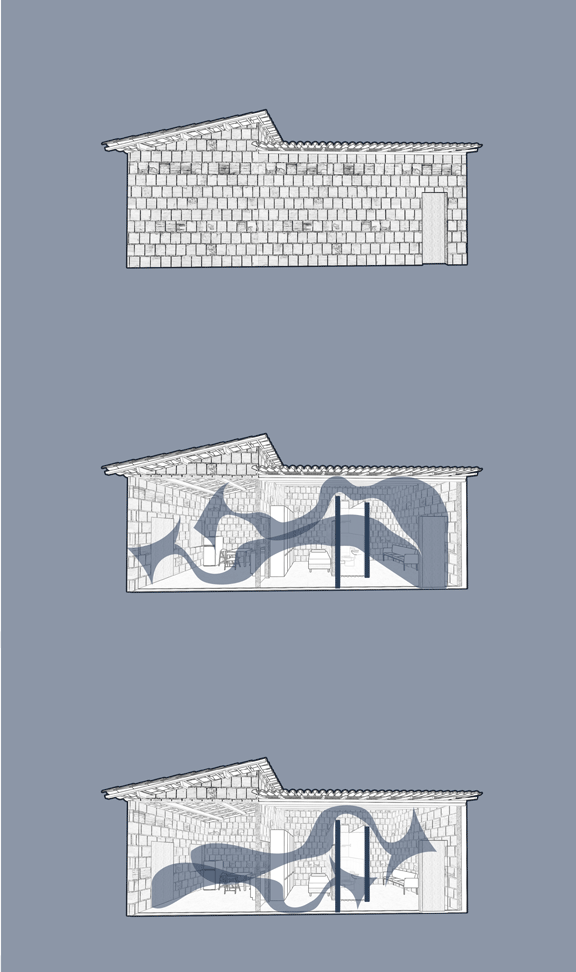
Natural ventilation follows the same strategies as natural illumination, using short walls to give room for the wind to pass through all spaces. In times of climate change and high temperatures during summer, this type of strategy can help to alleviate discomfort for the dwellers.
multifunction everything
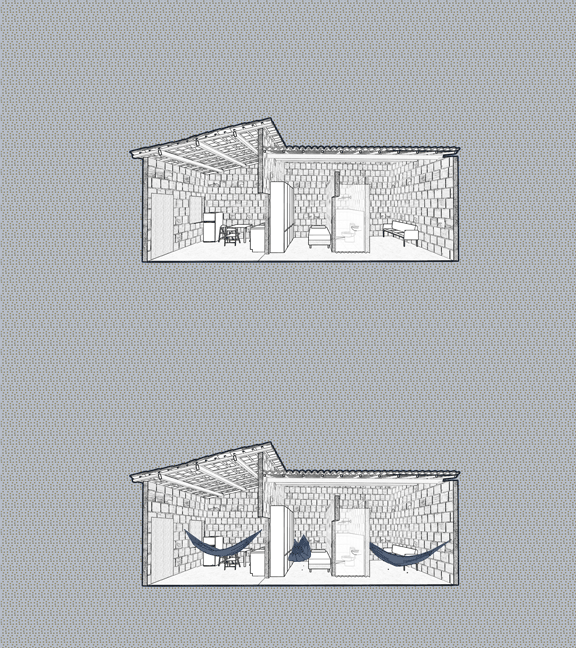
If a dwelling is small due to the lack of money to invest in an extension, some rooms can be multifunctional. A home kitchen has a dual purpose: to cook everyday meals for the family and to cook products to be sold and transformed into household income. A living room can be a space shared with a sewing studio. And every place can be converted into sleeping space if it is located in a place where there is a hammock culture.
site specific nuances
social interface

Each informal settlement is different, and the social interface of each is as well.
Sidewalks are an important feature for the dwelling in some places. For instance, in Fortaleza, Brazil, they are where people gather to socialize with neighbors during the afternoon/night. It is where people come together to decide communal agreements over a casual conversation and where the people keep an eye on the kids playing on the street. It is where the settlement comes alive.

neighbor
neighbor
property line
property line
property line
property line
sidewalks as interstitial spaces between private and public realm
left to right | poço da draga (1,2,3) | riacho doce (4)
fortaleza - brazil
communal drying lines

neighbor
property line
no backyard
property line
wall type border
Some settlements have enclosed boundaries that separate them from the formal part of the city by walls, depending on where they are located. Eventually this type of boundary creates alleys. The alley/street walls sometimes become a shared element for everyone in the settlement. It can act like a communal backyard where people share drying lines every day. This is an important feature that is kept by the community, since most dwellings cannot afford to have a private backyard due to the lack of space for all essential spaces of a house.

left to right | poço da draga (1) | riacho doce (2) | vila betânia (3)
fortaleza - brazil